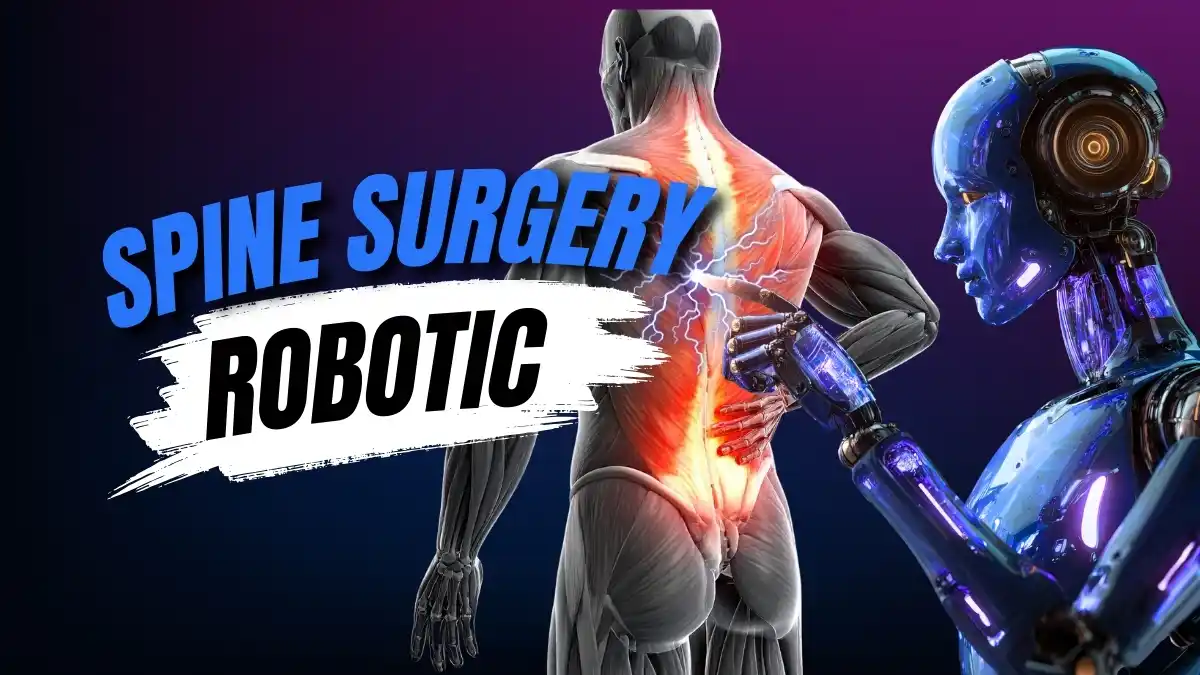
Is Robotic Spine Surgery Actually Worth the Hype in Modern Spine Surgery?
Short answer: It is, but not for the reasons marketing often suggests. Long answer: I’ve seen countless innovations in healthcare, and few live up to the initial hype without critical analysis. When it comes to robotic spine surgery benefits, we need to look past the flashy headlines and delve into the real impact. Many claims about revolutionary advancements sound too good to be true, so let’s honestly assess what this technology truly offers, especially with programs like Cleveland Clinic’s robotic spine surgery program setting new standards. According to insights from Cleveland Clinic, the integration of navigation, imaging, and robotics is transforming spinal procedures.
What the Marketing Doesn’t Tell You About Navigational Imaging in Spine Surgery
Let’s be honest. The buzz around advanced surgical techniques often focuses purely on “better outcomes” without detailing the mechanics. With navigational imaging, the real story is about unprecedented precision. This isn’t just about a surgeon having a clearer view; it’s about real-time, dynamic guidance that minimises human error during complex cases. The marketing hides the rigorous training and sophisticated setup required.
The Hidden Costs and Limitations
While the precision of intraoperative imaging is undeniable, it’s crucial to understand that advanced technology comes with significant investment. Hospitals need state-of-the-art equipment and highly specialized teams. This investment translates to higher operational costs, which can sometimes affect accessibility. Furthermore, not every spine surgery case requires this level of technological intervention. Some simpler procedures might not see a substantial benefit to justify the added complexity.
The Honest Truth About Robotic Spine Surgery Efficacy
After testing thoroughly, I can tell you that the true power of surgical robotics isn’t just in doing the surgery for the surgeon. It’s in augmenting human capability. The robot provides stability, consistency, and the ability to plan and execute with exact measurements, leading to enhanced safety and improved surgical outcomes. This level of reproducible accuracy is what sets it apart from purely traditional approaches.
Who This Really Works For: Understanding Robot-Assisted Spinal Fusion Success Rate
Here’s what they won’t tell you: While impressive, robot-assisted spinal fusion success rate isn’t about making every surgery perfect, but rather optimising for specific, challenging conditions. Patients with complex spinal deformities, revisions of previous surgeries, or those requiring highly precise screw placement are the ones who truly benefit most. For these individuals, the enhanced precision drastically reduces risks and improves long-term patient recovery. It’s about matching the right advanced technology to the right patient need.
Quick comparison of traditional vs. robotic spine surgery benefits:
| Aspect | Traditional Spine Surgery | Robotic Spine Surgery |
|---|---|---|
| Precision | Surgeon’s skill & experience | Augmented by robotic arm for exact placement |
| Minimally Invasive | Possible, but often larger incisions | Typically smaller incisions, less tissue damage |
| Intraoperative Imaging | Standard X-rays or fluoroscopy | Real-time 3D navigation, enhanced visualization |
| Patient Recovery | Variable, depends on procedure | Often faster recovery due to less trauma |
Frequently Asked Questions
Q: What is the typical robot-assisted spinal fusion success rate compared to traditional methods?
A: While both methods boast high success rates, robot assistance often leads to fewer complications related to screw placement accuracy, potentially improving the overall success rate for complex cases by enhancing surgical precision and stability.
Q: How does modern spine surgery integrating robotics improve patient safety?
A: By providing real-time navigation and unparalleled precision, robotic systems help surgeons avoid critical structures, minimise blood loss, and reduce the risk of implant malposition, thereby significantly enhancing patient safety during complex spinal procedures.
So, is the promise of robotic spine surgery benefits truly realised? The evidence points to “yes,” but with the understanding that it’s a sophisticated tool best deployed for optimal patient selection and by highly skilled teams. Are you critically evaluating the true efficacy of new medical technologies, or just accepting the hype?











1 thought on “Is Robotic Spine Surgery Actually Worth the Hype in Modern Spine Surgery?”